Why Professional Leather Cleaning Is Worth Every Dollar
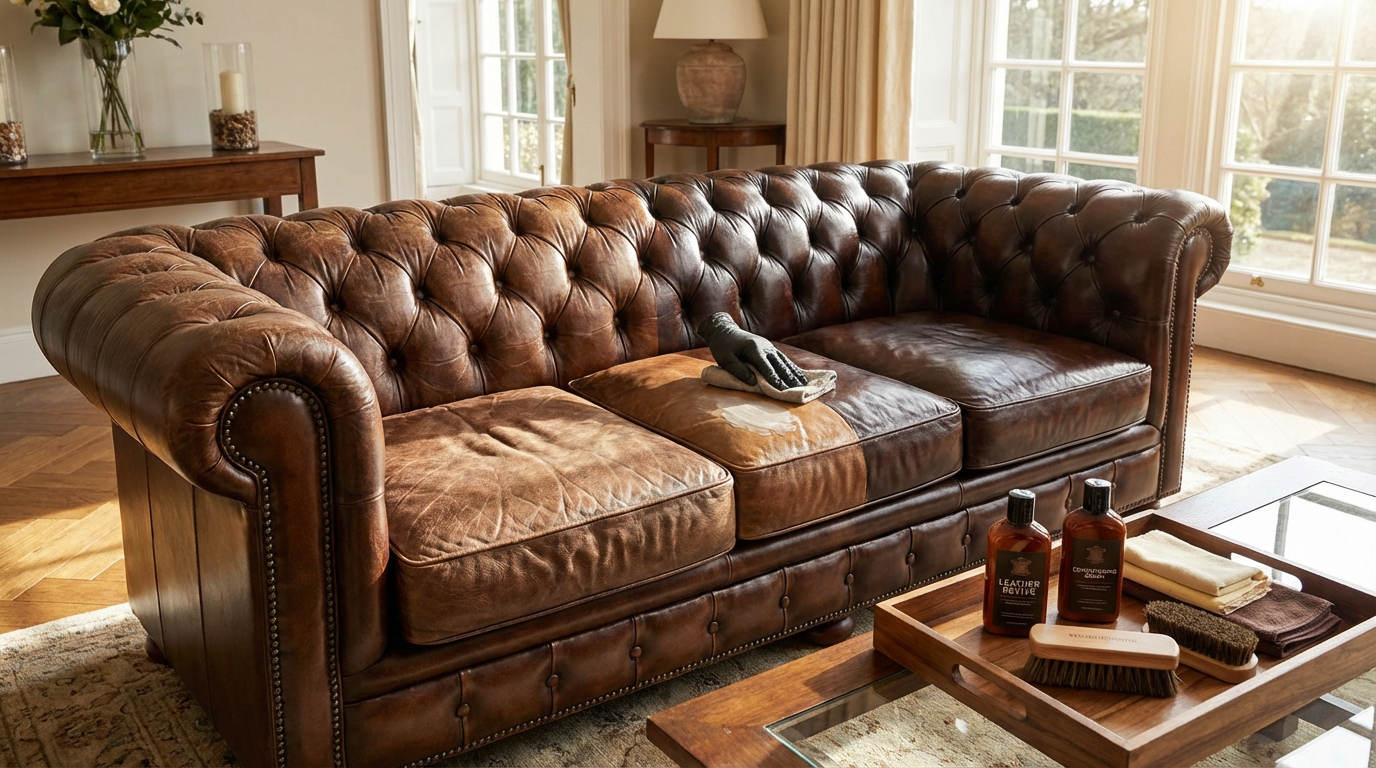
Leather furniture adds warmth and sophistication to any Sydney home. Unlike fabric upholstery, leather is a natural material that requires specialised care. While it's tempting to reach for a bottle of household cleaner or a DIY recipe from the internet, leather responds poorly to the wrong products. Professional leather cleaning isn't just a luxury—it's an investment that protects your furniture, extends its life, and maintains its value. Here's why it's worth every dollar.
The Risks of DIY Leather Cleaning
Leather is porous and sensitive. Harsh chemicals, ammonia, bleach, or even strong soap can strip the protective finish, cause cracking, or leave permanent discolouration. Many homeowners use furniture polish or all-purpose cleaners, not realising these products contain silicones and oils that build up over time, attracting dirt and eventually dulling the leather. Water-based cleaners can over-wet the hide, leading to stiffening, shrinkage, or water rings. Leather also varies widely—aniline, semi-aniline, pigmented, and bonded leather each need different treatment. Applying the wrong method can ruin an expensive sofa in a single cleaning session. The cost of repairing or replacing damaged leather far exceeds the price of professional care.
What Professionals Do Differently
Professional leather cleaners assess the type of leather before treating it. They use pH-balanced solutions designed specifically for hide, which clean without stripping natural oils or finishes. Extraction equipment removes embedded dirt and oils from the pores without over-wetting. Conditioning follows cleaning—a critical step that restores suppleness and prevents cracking. Professionals also know how to address specific issues: ink stains, grease, sun damage, or pet scratches. They have access to industry-grade products and techniques that aren't available to consumers. The result is leather that looks and feels renewed, without the risk of damage that comes with trial-and-error at home.
Understanding Leather Types
Not all leather is the same. Full-grain and top-grain leather are the most durable and often the most expensive; they benefit from gentle cleaning and conditioning. Aniline leather is dyed but not heavily finished, so it's more absorbent and requires extra care—harsh chemicals can permanently alter its appearance. Semi-aniline leather has a light protective coating, making it slightly more forgiving. Pigmented leather has a heavy finish that makes it resistant to stains but still needs proper conditioning to prevent the coating from cracking. Bonded leather, which uses leather scraps bonded with polyurethane, is the most delicate and can be damaged by aggressive cleaning. A professional will identify your leather type and tailor the treatment accordingly.
The Importance of Conditioning
Cleaning alone isn't enough. Leather loses its natural oils over time due to use, sunlight, and air conditioning. Without conditioning, it becomes dry, stiff, and prone to cracking—especially in Sydney's variable climate, where humidity fluctuates and air conditioning runs for much of the year. Professional services include conditioning as part of the process. The right conditioner penetrates the leather, restores moisture, and maintains flexibility. Over-conditioning can cause a greasy feel and attract dust, so professionals apply the correct amount for your leather type. This step is often skipped in DIY routines, yet it's essential for long-term preservation.
Cost-Benefit Analysis
Consider the numbers: a quality leather sofa can cost several thousand dollars. Professional cleaning and conditioning typically runs a fraction of that—often a few hundred dollars depending on the piece. If professional care extends the life of your furniture by even a few years, the investment pays for itself. Compare that to the cost of replacing a leather sofa ruined by improper cleaning, or the expense of reupholstering. Regular professional care also maintains resale value—well-maintained leather furniture holds its appeal far better than neglected pieces. For commercial settings like offices or showrooms, professional leather care protects assets and presents a polished image to clients.
When to Schedule Professional Leather Care
Experts recommend professional leather cleaning and conditioning every 12 to 18 months for residential furniture. In high-use areas or homes with pets and children, consider every 6 to 12 months. If you've just purchased new leather furniture, a professional treatment can add an extra layer of protection from the start. Stains, spills, or noticeable dullness are clear signs it's time to call in the professionals rather than risk further damage with home remedies.
At Namengwe, we specialise in leather treatment across Sydney. Our team understands the nuances of different leather types and uses proven methods to clean, condition, and protect your investment. When you choose professional leather care, you're not just paying for a clean sofa—you're investing in years of continued beauty and comfort.