The Complete Guide to Caring for Oriental and Persian Rugs
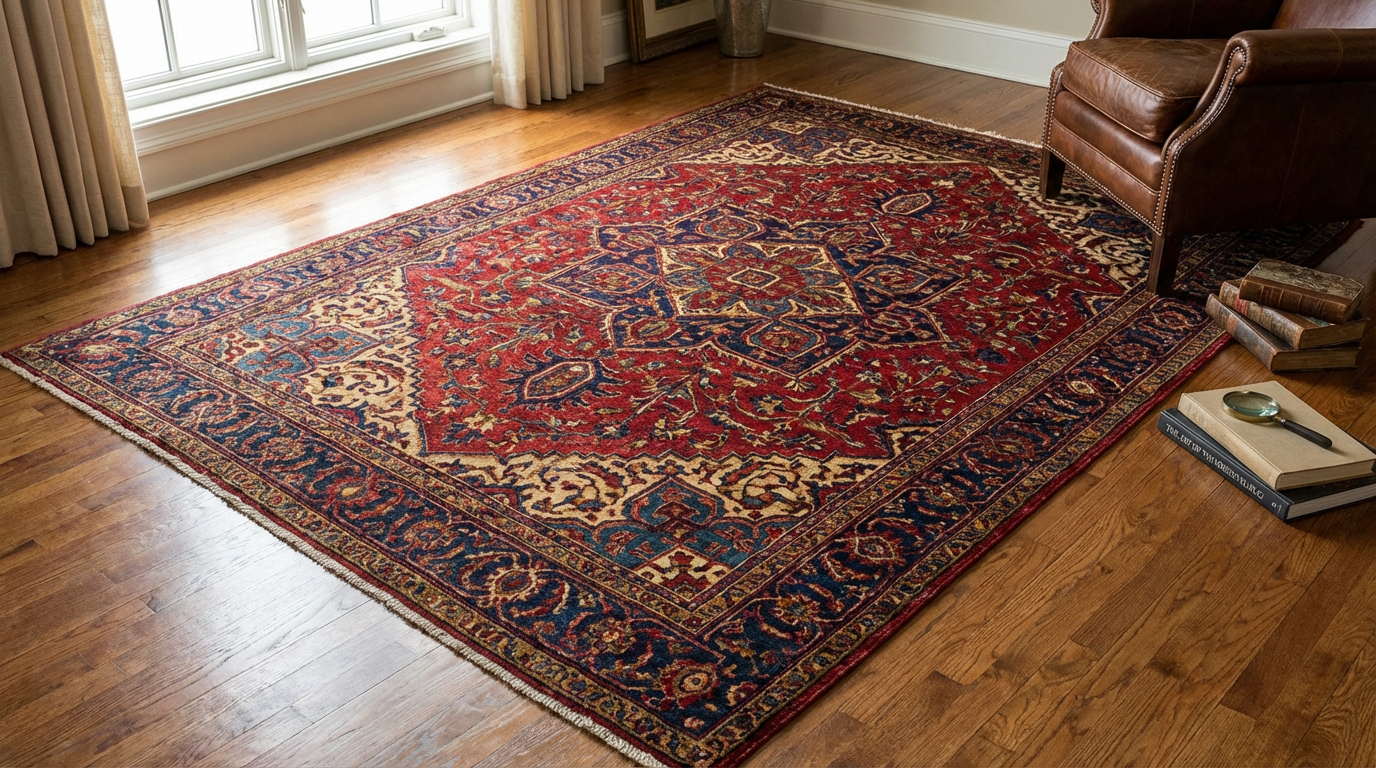
Oriental and Persian rugs are treasured investments. Hand-knotted from wool, silk, or cotton, they bring warmth, colour, and craftsmanship into any room. Proper care ensures they remain beautiful and valuable for generations. This guide covers everything you need to know about maintaining these rugs in your Sydney home.
Understanding Your Rug: Types and Fibres
Not all Oriental rugs are the same. Persian rugs originate from Iran; Oriental rugs may come from Turkey, India, Pakistan, Afghanistan, or China. Each region has distinct weaving traditions and fibre choices.
- Wool: Most common. Durable, naturally stain-resistant, and easy to clean. Ideal for high-traffic areas.
- Silk: Luxurious and delicate. Requires gentle handling and professional cleaning. Avoid heavy foot traffic.
- Cotton: Often used for foundations or in some tribal rugs. Softer and less durable than wool.
Knowing your rug's fibre helps you choose the right cleaning and maintenance approach.
Daily and Weekly Maintenance
Regular vacuuming is essential. Use a vacuum without a beater bar—rotating brushes can damage delicate fibres and pull loose threads. Set the vacuum to the lowest suction setting for delicate rugs.
Vacuum in the direction of the pile to avoid pulling fibres. For fringed rugs, avoid vacuuming over the fringe; use a gentle sweep or hand-vacuum instead. Rotate your rug every 6 to 12 months so wear distributes evenly, especially in sunny or high-traffic spots.
Protecting Your Rug From Damage
Place a quality rug pad beneath your rug. Pads prevent slipping, reduce wear from foot traffic, and protect against moisture from the floor. In Sydney's humid climate, a pad also helps air circulate beneath the rug, reducing mould risk.
Keep rugs away from direct sunlight. UV rays fade wool and silk dyes over time. Use blinds or curtains during peak sun hours. Avoid placing heavy furniture directly on delicate rugs—use furniture coasters or pads to distribute weight.
Address spills immediately. Blot—never rub—with a clean, absorbent cloth. For water-based spills, use a damp cloth with plain water. For oily or greasy stains, consult a professional; DIY cleaning can set stains or damage dyes.
When to Seek Professional Help
Professional rug cleaning is recommended every 12 to 24 months, depending on use and traffic. Seek professional cleaning sooner if:
- You notice a persistent odour or mould.
- Stains persist after gentle blotting.
- The rug has not been professionally cleaned in several years.
- You have inherited or purchased an antique rug.
At Namengwe, our rug restoration and cleaning services use methods appropriate for hand-knotted rugs. We assess fibre type, dye stability, and condition before cleaning. Our Sydney-based team handles Oriental and Persian rugs with the care they deserve.
Storage Tips for Oriental Rugs
When storing a rug, never fold it—folding can cause permanent creases and fibre damage. Roll the rug with the pile facing inward to protect the surface. Wrap in breathable cotton or muslin, not plastic, to prevent moisture buildup and mould.
Store in a cool, dry place away from direct sunlight. In Sydney's humid summers, consider climate-controlled storage for valuable pieces. Check stored rugs periodically for pests or moisture.
Summary
Caring for Oriental and Persian rugs involves regular vacuuming with the right equipment, using rug pads, protecting from sunlight and heavy furniture, and treating spills promptly. Professional cleaning every 12 to 24 months—or sooner when needed—keeps your rugs in top condition. For storage, roll rather than fold, wrap in breathable fabric, and keep in a dry, cool environment. With proper care, your hand-knotted rugs will remain a cherished part of your home for decades. Trust Namengwe for expert rug care across Sydney.