Removing Stubborn Stains from Sofas: What Works and What Doesn't
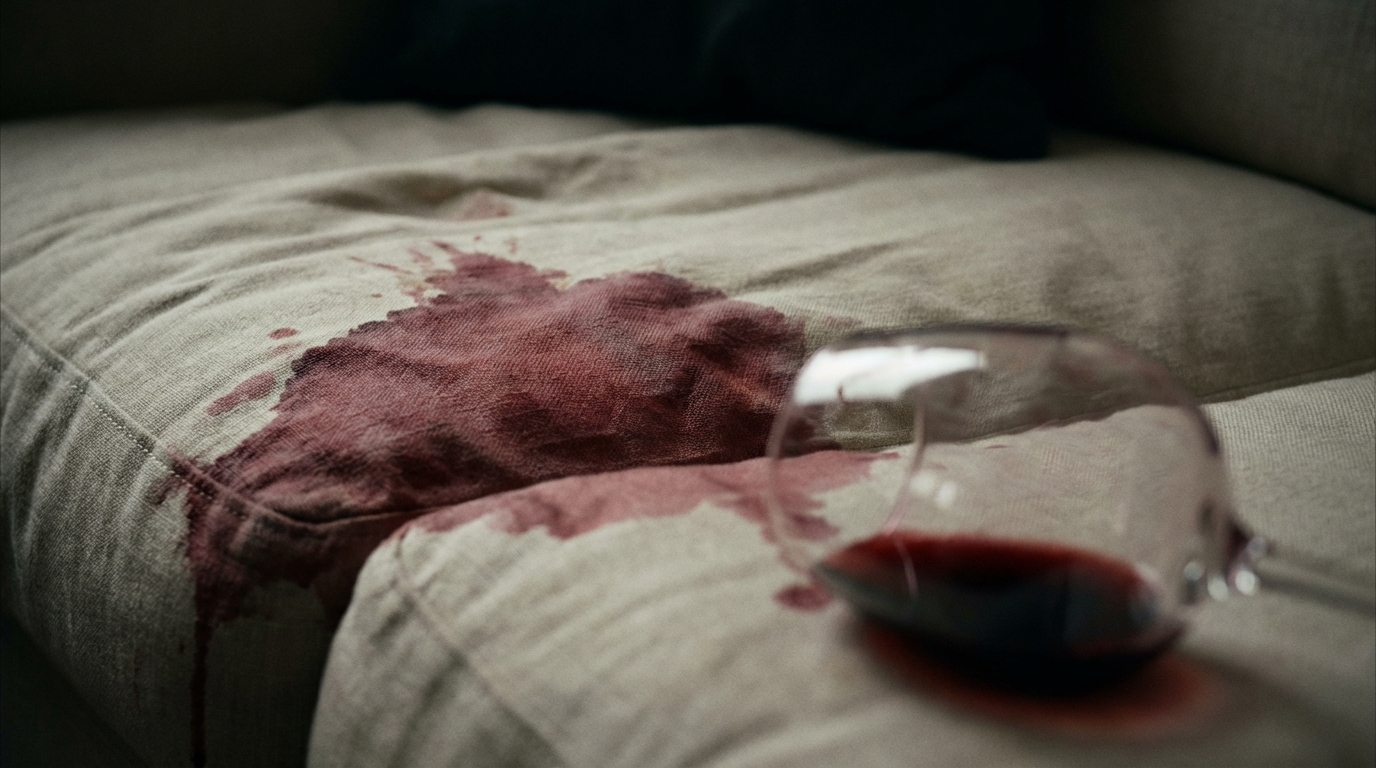
Spills on your sofa are inevitable—whether it's a glass of red wine during a dinner party, a morning coffee knocked over, or a pet accident in the middle of the night. In Sydney homes, where upholstered furniture faces daily use and our humid climate can set stains quickly, knowing what actually works can save you from permanent damage. This guide separates effective home remedies from common myths, and explains when it's time to call in the professionals.
Red Wine Stains: Act Fast, Avoid Salt
Red wine is one of the most feared sofa stains, and for good reason. The tannins and pigments bind to fabric fibres quickly. The best approach is immediate action: blot with a clean, absorbent cloth—never rub—to lift as much liquid as possible before it penetrates. Many people reach for salt, believing it absorbs the wine. While salt can help on hard surfaces, on upholstery it often leaves a gritty residue that grinds into the fabric and can cause abrasion. What works better: a solution of one part white vinegar to two parts water, or club soda. Blot gently, working from the outside in to prevent spreading. For older or set stains, a mixture of dish soap and hydrogen peroxide (test on a hidden area first) can help, but delicate fabrics may still show discolouration.
Coffee and Tea: Blot First, Then Treat
Coffee and tea contain tannins similar to wine, and the added milk or cream introduces fats that can leave greasy rings. Start by blotting excess liquid immediately. For fresh spills, cold water and a mild detergent often suffice. Avoid hot water—it can set the stain by cooking the proteins in milk or cream. If a brown ring remains, a diluted solution of white vinegar can help break down the tannins. One common mistake: using too much water. Over-wetting can push the stain deeper and cause water marks. Use a damp cloth, not a soaking one, and blot in small circles.
Ink Stains: Proceed With Caution
Ink stains are notoriously difficult. Ballpoint and gel pen ink contain oils and dyes that penetrate deeply. Rubbing alcohol or hairspray (which contains alcohol) can sometimes lift ink from synthetic fabrics, but on natural fibres like cotton or wool, these solvents can spread the stain or cause colour loss. Always test on an inconspicuous area first. For leather upholstery, never use alcohol-based products—they can strip the finish. Ink stains often require professional treatment because the wrong approach can make them worse. If a home remedy doesn't improve the stain after one or two attempts, stop and consult an expert.
Grease and Oil: The Blot-and-Absorb Method
Grease from food, cosmetics, or hands tends to sit on the surface initially, which gives you a window to act. Sprinkle cornflour, talcum powder, or baking soda over the stain and leave it for 15–30 minutes to absorb the oil. Then vacuum or brush away the powder. Follow with a damp cloth and a small amount of dish soap—dish soap is designed to cut through grease. Rinse with a damp cloth and allow to dry. Avoid using excessive water, which can push grease deeper. For stubborn grease, a small amount of white vinegar can help, but test first on delicate fabrics.
Pet Stains: Odour and Bacteria Matter
Pet accidents introduce not just visible stains but also odours and bacteria. Blot up as much liquid as possible, then use an enzymatic cleaner designed for pet stains—these break down the proteins in urine and faeces that cause lingering smells. Avoid ammonia-based cleaners; they can smell like urine to pets and encourage repeat accidents. Vinegar and bicarbonate of soda can help with odour, but they may not fully eliminate the stain or the underlying bacteria. For severe or repeated incidents, professional upholstery cleaning is recommended. Sydney's humid climate can cause pet stains to ferment, making odours worse over time if not properly treated.
What Doesn't Work (And Common Mistakes)
Several popular home remedies can do more harm than good. Bleach and undiluted vinegar can discolour or weaken fibres. Rubbing stains vigorously pushes them deeper and can damage the fabric structure. Using a steam cleaner without proper training can over-wet upholstery, leading to mould, shrinkage, or water marks. Coloured cloths or paper towels can transfer dye onto light fabrics. And treating all fabrics the same is a mistake—silk, velvet, and leather each need different approaches. When in doubt, blot gently and call a professional before experimenting further.
When to Call a Professional
If a stain persists after one or two careful attempts, or if the fabric is delicate, antique, or expensive, it's time to call an upholstery specialist. Professionals like Namengwe use industry-grade equipment and solutions tailored to fabric type. They can assess fibre content, identify the stain, and apply the correct treatment without risking damage. For ink, dye transfer, or deeply set stains, DIY methods often make matters worse. In Sydney, where humidity and sunlight can accelerate fabric degradation, professional cleaning also helps restore pH balance and remove embedded dirt that home methods miss. Investing in expert care can extend the life of your sofa and prevent permanent damage.
At Namengwe, we specialise in upholstery care across Sydney. Our team treats everything from everyday spills to stubborn, set-in stains. If you've tried home remedies without success, or simply want the peace of mind that comes with professional care, get in touch for a consultation.